 Iasora
Danger signs in children: when to take your child to hospital
In short: if your child can't drink or breastfeed, vomits everything, has had a fit, or is floppy and hard to wake, go to the nearest casualty or emergency unit now. These are the WHO's four general danger signs, and one is enough. In a baby under 2 months, poor feeding, breathing difficulty, fever or feeling cold are also urgent. If you're unsure, go: being sent home is far better than arriving too late.
Go to casualty now, or call 10177 (ambulance) or 112 from a cellphone, if your child:
- can't drink or breastfeed;
- vomits everything they drink or eat;
- has had a fit (convulsion) during this illness, or is fitting now;
- is very floppy, drowsy, hard to wake or not responding;
- is breathing very fast or with effort, or the lower chest sucks in with each breath;
- has blue, grey or very pale lips or skin;
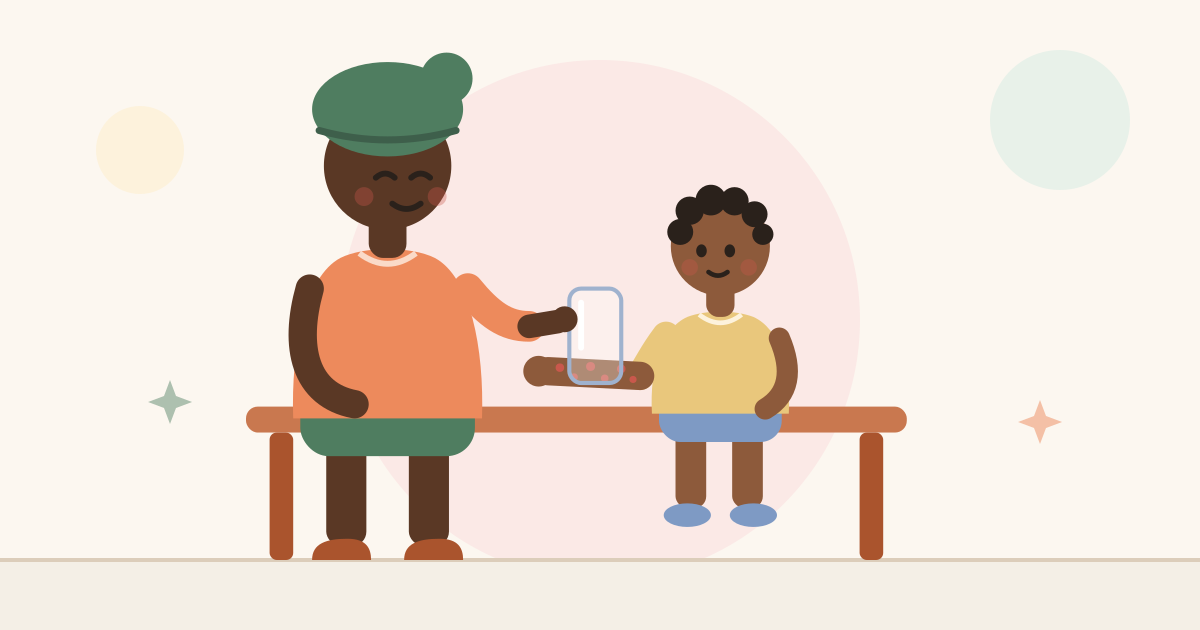
- has a rash that doesn't fade when you press a glass against it;
- is under 3 months old with a temperature of 38 °C or higher;
- has swallowed medicine or a household chemical, has a large burn, or has choked and isn't recovering.
South African emergency numbers to save now
| Service | Number |
|---|---|
| Ambulance (from a landline) | 10177 |
| Emergency from any cellphone (MTN, Vodacom, Cell C, Telkom) | 112 |
| Police | 10111 |
| Poisons Information Helpline (24 hours) | 0861 555 777 |
Ambulance waits can be long in many areas. If you have safe transport and your child is breathing, it is often faster to drive straight to the nearest hospital casualty unit. If your child is fitting for more than 5 minutes, is unconscious or has stopped breathing, call for an ambulance.
The 4 general danger signs (WHO IMCI)
Integrated Management of Childhood Illness (IMCI) is the WHO and UNICEF approach that clinic nurses across South Africa use. For every sick child aged 2 months to 5 years, the first check is for four signs. If there is even one, the child needs urgent attention and usually a referral to hospital.
| Sign | What it looks like at home |
|---|---|
| Can't drink or breastfeed | You offer the breast or a cup and your child can't swallow, or is too weak to latch. |
| Vomits everything | Nothing stays down: water, milk, porridge, everything comes back up. |
| Convulsions | Jerking they can't control, a stiff body, eyes rolling back, during this illness. |
| Lethargic or unconscious | Very floppy, doesn't look at you, doesn't wake properly when touched or spoken to. |
None of these signs depend on knowing what the illness is. It could be pneumonia, dehydration, meningitis or another serious infection — the clinic will work that out. Your job is to notice it's serious and go.
Danger signs in a newborn baby
Young babies get very sick very quickly, often without a high fever. The WHO says families should seek care straight away if a newborn has:
- feeding problems (won't latch, feeds very little, gives up);
- less movement or activity than usual;
- difficulty breathing;
- a fever;
- fits or convulsions;
- a body that feels cold.
In a baby under 3 months, 38 °C or more always needs to be seen the same day. Read more in fever in babies and children.
Breathing problems: what to look for
Lift your child's vest and watch the chest. The WHO describes two key signs of pneumonia: fast breathing and lower chest wall indrawing, where the bottom of the chest sucks in as the child breathes in instead of expanding. A harsh noise when breathing while calm, blue lips, or being too breathless to talk or feed are also emergencies. More in cough and breathing problems in children.
Diarrhoea: signs of severe dehydration
According to the WHO, a child with diarrhoea is severely dehydrated if they have at least two of these:
- lethargic or unconscious;
- sunken eyes;
- unable to drink, or drinking very poorly;
- skin on the tummy that takes 2 seconds or more to go back after a gentle pinch.
Give ORS on the way if your child can swallow, but don't delay leaving. Blood in the stool also needs a clinic visit. See diarrhoea and dehydration in children.
A rash that doesn't fade, a stiff neck
Red or purple spots that don't fade when you press the side of a glass on them, a stiff neck, dislike of bright light, or cold hands and feet with a fever all need emergency care. For other rashes, read rashes in babies and children.
Accidents: choking, burns and poisoning
Choking
If your child is coughing hard, let them cough and stay with them. If the cough is silent or they can't breathe in, shout for help and:
- Baby under 1: lay them face down along your forearm or thigh, supporting the head, and give up to 5 sharp blows between the shoulder blades. If it doesn't clear, turn them face up, head lower than feet, and give up to 5 chest thrusts with two fingers in the middle of the chest, just below the nipple line.
- Child over 1: up to 5 back blows with the child leaning forward, then up to 5 abdominal thrusts — fist between the belly button and ribs, pulling sharply in and up.
Keep repeating and call 10177 or 112 if it doesn't clear. Even if the object comes out, get your child checked.
Burns and scalds
Cool the burn under cool running water for 20 minutes. Remove clothing around it, but leave anything stuck to the skin. Don't put on butter, oil, toothpaste or creams, and don't pop blisters. Large or deep burns, burns on the face, genitals or bottom, and electrical or chemical burns need casualty.
Poisoning
If your child has swallowed medicine, paraffin, bleach, rat poison or another chemical: don't make them vomit and don't give food or drink. Call the Poisons Information Helpline on 0861 555 777 or go to casualty, and take the container with you.
What to take to the clinic or hospital
- The Road to Health Book — it holds vaccinations, weight and past illnesses.
- Any medicines your child is taking or took in the last few days (bring the boxes).
- The container, if you think your child swallowed something.
- Answers to three questions: when did it start, what has changed since, and how many times have they vomited, had diarrhoea or passed urine.
With a sick child in your arms it's easy to forget dates. Having vaccines, medicines and symptoms written down in one place — in the Road to Health Book or in an app like Iasora — helps the nurse or doctor decide faster.
What to do on the way
- Keep breastfeeding on the way if your baby can.
- Keep a young baby warm, held against your body, with the head covered.
- If your child has a fit: note the time, cushion the head, move hard objects away, don't hold them down and don't put anything in their mouth. Once it stops, turn them on their side.
- Don't give home remedies, herbal mixtures or aspirin.
- When you arrive, tell the person at triage straight away that your child has a danger sign, so they're seen first.
This article helps you recognise an emergency. It does not replace an assessment by a health worker. If you're in doubt, go to the clinic or casualty.
Sources
- Integrated Management of Childhood Illness — Module 1: Recap and technical updates on IMCI — WHO (AFRO)
- Newborn mortality (fact sheet) — WHO
- Pneumonia in children (fact sheet) — WHO
- Diarrhoeal disease (fact sheet) — WHO
- Know who you can call in an emergency — Western Cape Government
- High temperature (fever) in children — NHS
- Febrile seizures — NHS
- How to stop a child from choking — NHS
- Burns and scalds — NHS
- Poisoning — NHS
This article is general information, written by the Iasora team from the sources above. It does not replace a consultation or the judgement of a health worker who sees your child. If in doubt, go to your nearest clinic.