 Iasora
Rashes in babies and children: which ones are serious?
In short: most rashes in children are harmless — heat, nappies, eczema or a mild virus. The one that cannot wait is a rash that does not fade when you press a glass against it, especially with a fever: it can be meningitis or blood poisoning (sepsis), and your child needs casualty now. A fever with a rash, cough and red eyes may be measles and needs the clinic the same day.
Go to casualty now, or call an ambulance (10177, or 112 from a cellphone), if your child has a rash and:
- The spots do not fade under a glass (see below), or look like bruises or tiny purple pinpricks.
- Is floppy, very sleepy, hard to wake, or has a weak or unusual cry.
- Has a stiff neck, dislikes bright light, or a bulging soft spot (fontanelle).
- Is breathing fast or with difficulty, or grunting.
- Has pale, blue, grey or blotchy skin, lips or tongue.
- Has sudden swelling of the lips, tongue, face or throat (a possible severe allergic reaction).
- Is a baby under 3 months with a temperature of 38 °C or more.
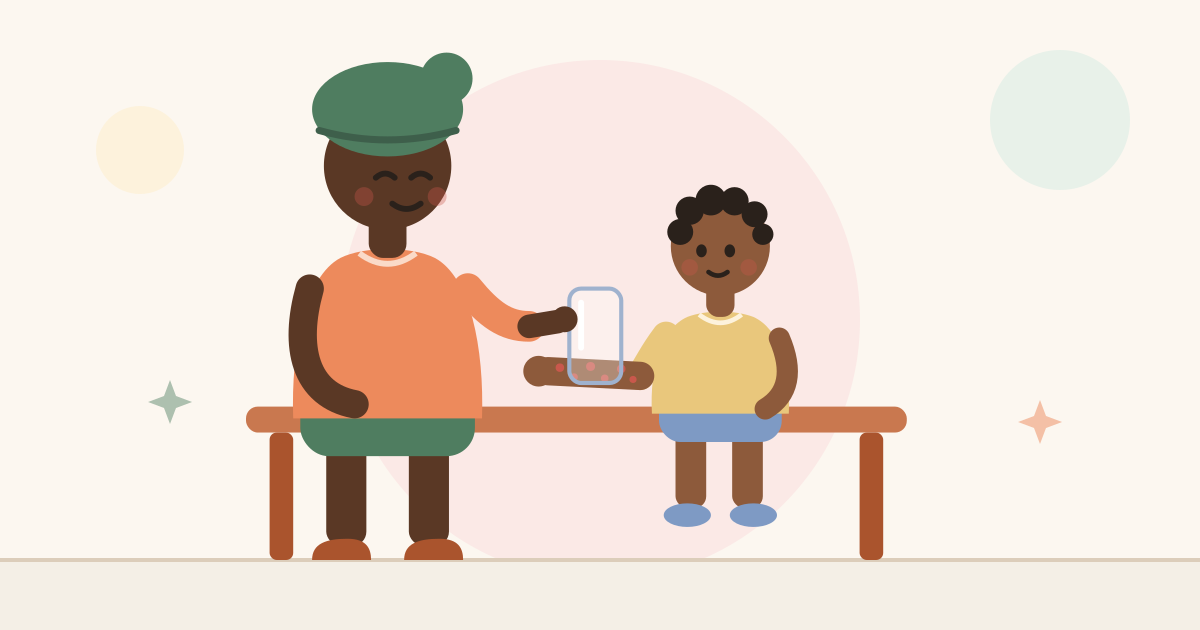
The glass test: a rash that doesn't fade
Every parent should know this one.
- Take a clear drinking glass.
- Press the side of the glass firmly against the spots.
- Look through the glass.
If the spots fade or disappear, a serious cause is less likely. If they stay visible through the glass, that is a warning sign of meningitis or sepsis: go now, even if your child still seems fairly well and even if not every other symptom is there.
On brown or black skin the rash can be hard to see. The NHS suggests checking paler areas: the palms, the soles of the feet, the roof of the mouth, the whites of the eyes and inside the eyelids.
Remember that meningitis can start without any rash. A baby who won't feed, has a high-pitched cry, is floppy or has a bulging soft spot needs to be seen urgently, rash or no rash.
Measles: fever, cough, red eyes, then a rash
Measles is one of the most contagious diseases there is. According to the WHO and the NICD:
- It starts with fever, a runny nose, cough, red watery eyes and sometimes small white spots inside the cheeks.
- Three to five days later a rash of small, flat red spots appears, starting on the face and behind the ears and spreading down the body. It is not usually blistered or itchy.
- It can cause pneumonia, severe diarrhoea with dehydration, blindness and brain inflammation. Babies, children under 5 and undernourished children are most at risk.
If you think your child has measles, take them to the clinic the same day and tell the staff at the door, so they can keep your child away from other children in the waiting room. Measles must be reported: the clinic notifies suspected cases to the NICD and may take a swab or blood sample. The WHO recommends vitamin A for children with measles, given by a health worker — don't give supplements on your own.
Vaccination is the best protection. Two doses are needed. Check the measles doses in your child's Road to Health Book against the South African vaccination schedule, and catch up at any clinic if one was missed.
Other common rashes and what to do
Chickenpox
Itchy spots that turn into fluid-filled blisters and then scabs, often with a fever. Give plenty of fluids, trim nails, use loose clothing and cool baths. The NHS advises against ibuprofen in chickenpox unless a doctor recommends it, as it can lead to serious skin infections. Never give a child aspirin. Your child is infectious until every spot has crusted over — keep them away from newborns and pregnant women. See a clinic if the skin around the blisters becomes red, hot and painful, if there are signs of dehydration, or if a newborn is affected.
Hand, foot and mouth disease
Fever and sore throat, then painful mouth ulcers and spots or blisters on the hands and feet. It clears by itself in 7 to 10 days. The main job is keeping your child drinking: offer cool drinks and soft food and avoid acidic juices. If they are weeing much less than usual, go to the clinic.
Heat rash
Small, prickly, itchy spots where the child sweats — neck, back, skin folds. Common in the summer heat and not contagious. Keep your child cool in loose cotton and give fluids. On darker skin it may look grey or white.
Eczema
Dry, rough, very itchy skin, in babies often on the face, elbows and knees. It comes in flare-ups and is not contagious. Moisturise at least twice a day with an unperfumed emollient, and wash with the emollient rather than soap. See the clinic if the skin blisters, crusts, weeps or has pus, feels hot and sore, or your child has a fever — it may be infected.
Nappy rash
Red, sore skin in the nappy area. Change wet or dirty nappies promptly, clean with water or fragrance-free wipes, pat dry and leave the nappy off when you can. Avoid soap, talcum powder and antiseptic creams. Get help if it spreads, doesn't settle, or your baby has a fever.
Scabies
Intense itching, worse at night, with spots and fine lines between the fingers, on the wrists and around the waist; in babies it can affect the palms, soles and scalp. It spreads by skin-to-skin contact. The WHO advises treating everyone in the household at the same time, even those without itching. Don't leave it: scratched skin can become infected and, according to the WHO, lead to kidney problems.
Ringworm
A dry, scaly, itchy ring-shaped patch; on the scalp it can cause hair loss. It is a fungal infection and treatable — show it to the clinic.
Impetigo
Sores or blisters that burst and leave golden-brown crusts, often around the nose and mouth. It is contagious and may need treatment, so have it checked.
Hives and allergic reactions
Hives are itchy, raised welts that move around, often after a food, medicine or insect sting. On their own they are usually not dangerous.
It is an emergency (anaphylaxis) if, along with the rash, your child:
- Has swelling of the lips, tongue or throat, or trouble swallowing.
- Is breathing fast, with difficulty, or wheezing.
- Becomes dizzy, very drowsy, pale or blue.
Call an ambulance straight away. If your child has a prescribed adrenaline auto-injector, use it as you were shown. Keep them lying down, or sitting up if breathing is hard, and don't let them stand or walk.
What not to do
- Don't put alcohol, paraffin, toothpaste or home mixtures on the skin.
- Don't give aspirin.
- Don't use steroid (hydrocortisone) creams on a young child unless a health worker advises it.
- Don't "wait and see" with a rash that doesn't fade under a glass.
Before you go to the clinic
Rashes change quickly. Take a photo in good light and note when it appeared, where it started, whether there is a fever, and whether your child ate anything new or took any medicine. If you use Iasora, you can keep this in your child's profile. For other urgent signs, read danger signs: when to take your child to hospital; if there is a fever, see fever in babies and children.
This article is for information and does not replace an examination by a health worker. If you're unsure about a rash, have it checked at the clinic.
Sources
- Rashes in babies and children — NHS
- Meningitis — NHS
- Measles — NICD
- Measles — fact sheet — WHO
- Integrated Management of Childhood Illness (IMCI) chart booklet, 2019 (updated) — National Department of Health, South Africa
- Scabies — fact sheet — WHO
- Chickenpox — NHS
- Hand, foot and mouth disease — NHS
- Heat rash (prickly heat) — NHS
- Atopic eczema — NHS
- Nappy rash — NHS
- Anaphylaxis — NHS
- Know who you can call in an emergency — Western Cape Government
This article is general information, written by the Iasora team from the sources above. It does not replace a consultation or the judgement of a health worker who sees your child. If in doubt, go to your nearest clinic.