 Iasora
Malaria in children: symptoms, same-day testing and prevention in South Africa
In short: in South Africa, malaria is found mainly in low-lying parts of Limpopo, Mpumalanga and northern KwaZulu-Natal, and most cases are picked up in Mozambique and other neighbouring countries. In young children it can look like flu or a tummy bug. Any fever during or after time in a malaria area needs a malaria test the same day — tell the nurse or doctor where you've been. Treatment is only given after a positive test, by a health worker.
Go to casualty now, or call an ambulance (10177, or 112 from a cellphone), if your child has a fever and:
- Can't drink or breastfeed, or vomits everything.
- Has had a fit (convulsion), even if it has stopped.
- Is very floppy, drowsy, confused or hard to wake.
- Is struggling to breathe or breathing very fast.
- Is very pale (palms, lips, inside the eyelids).
- Has yellow eyes, dark or bloody urine, or unusual bleeding.
- Has a stiff neck.
These can be signs of severe malaria, which can kill within hours. Say straight away that your child has been in a malaria area.
Where is malaria in South Africa?
According to the NICD, local malaria transmission is limited to the north-east of the country, mainly the low-altitude areas (below 1,000 m) of Limpopo, Mpumalanga and northern KwaZulu-Natal. Occasional cases occur along the Molopo and Orange rivers in North West and the Northern Cape. The NICD publishes an up-to-date malaria risk map on its website.
- Season: the risk is highest in the wet summer months, September to May.
- Neighbouring countries: all of South Africa's neighbours except Lesotho have malaria. Most malaria diagnosed in South Africa is caught in Mozambique, where the risk is high across the whole country. Eswatini, Botswana, Namibia and Zimbabwe have more limited risk areas.
- Visiting family: children of families who come from a malaria area but live in a non-malaria area have little or no immunity, so they're at real risk when visiting relatives.
- Even without travel: infected mosquitoes occasionally travel by road, rail or air and cause malaria far from risk areas (so-called "odyssean malaria"). A child with an unexplained fever can still have malaria.
Malaria symptoms in children
Malaria is caused by a parasite passed on by the bite of certain mosquitoes, which bite between dusk and dawn. Symptoms usually start 7 to 21 days after the bite, and sometimes later — so a fever weeks after a holiday still counts.
In adults, the classic picture is fever, headache, chills and sweats. In young children it's often different: fever with one or more of —
- being unusually tired, floppy or "not themselves";
- poor feeding;
- vomiting;
- diarrhoea;
- cough.
Flu and other viruses are the most common reasons malaria is missed. You can't tell from the symptoms — only a blood test can.
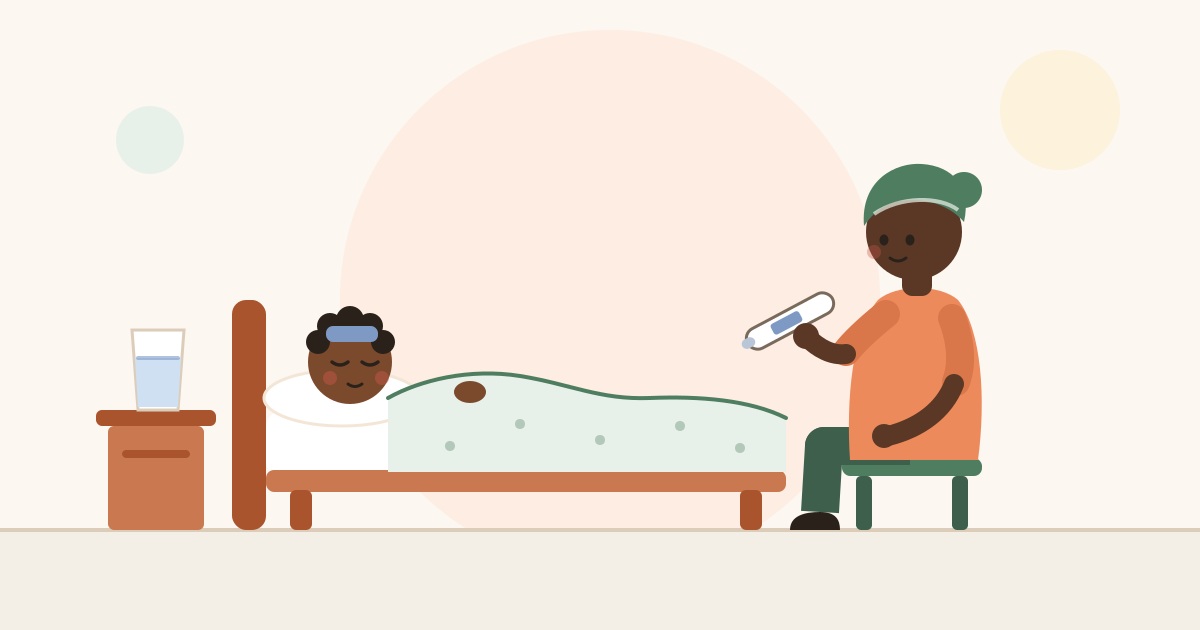
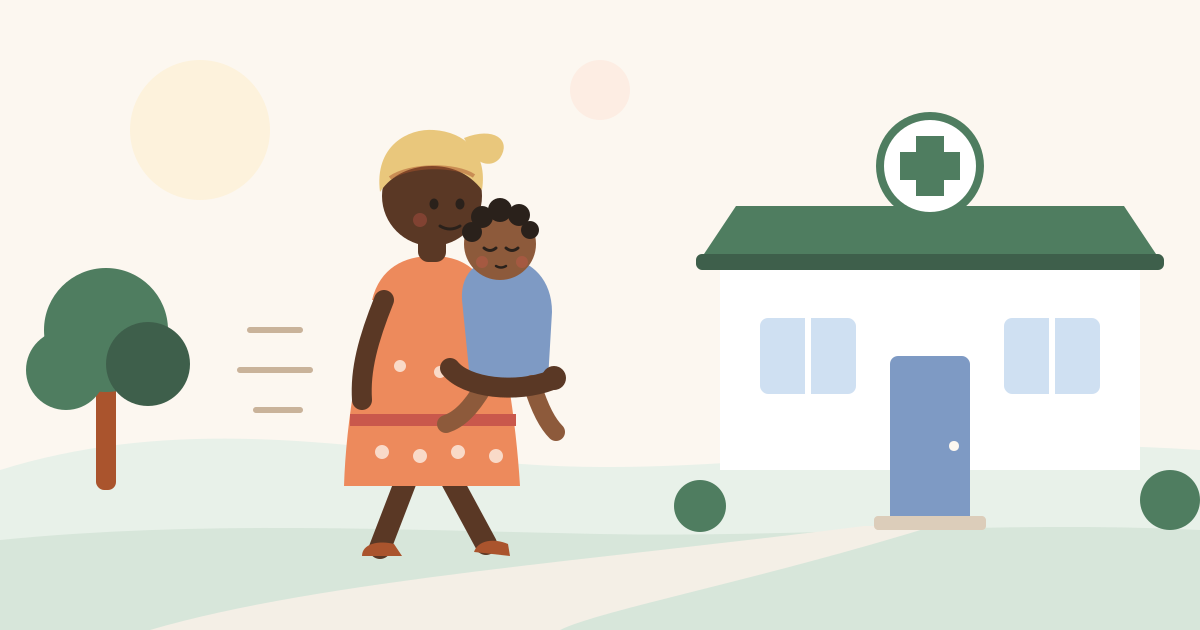
Fever after a malaria area: test the same day
The WHO recommends that every suspected case of malaria is confirmed with a test, and the NICD says malaria must be considered in any person with a fever who lives in or has travelled to a malaria area — even if they took preventive tablets.
- Go the same day the fever starts. Untreated falciparum malaria can become severe within 24 to 48 hours.
- Tell the nurse or doctor where you've been, and when. Many deaths from malaria happen because the diagnosis was delayed.
- The test is a rapid malaria test or a blood smear, from a finger-prick or blood sample.
- A negative test doesn't rule malaria out. If the fever carries on, go back — the test may need to be repeated.
Malaria is a Category 1 notifiable medical condition in South Africa: the clinic or doctor reports every case so that health officials can track it and, where needed, check the area for mosquitoes. You don't need to do anything yourself — but it's a sign of how seriously it's taken.
For general fever care while you get to the clinic, see fever in babies and children.
Severe malaria: why it's urgent
Children under 5 are the group most likely to die from malaria. The NICD lists the complications children with severe malaria often develop:
- severe anaemia — very pale and exhausted;
- breathing difficulty;
- low blood sugar — floppiness, drowsiness;
- cerebral malaria — fits and coma.
Any of these, or any sign in the red box above, means going to casualty immediately. Severe malaria is treated in hospital with intravenous medicine.
Treatment: only after a test, only from a health worker
- Malaria is curable, but it always needs medicine, prescribed after a positive test. Which medicine depends on how ill your child is, their weight, where the infection was caught and whether they are vomiting.
- Don't give antimalarials on your own, or leftover tablets from someone else.
- Give every dose as prescribed, even if your child seems better after the first day.
- For fever and discomfort you can give paracetamol at the dose on the pack or advised by the pharmacist. Never give aspirin to children.
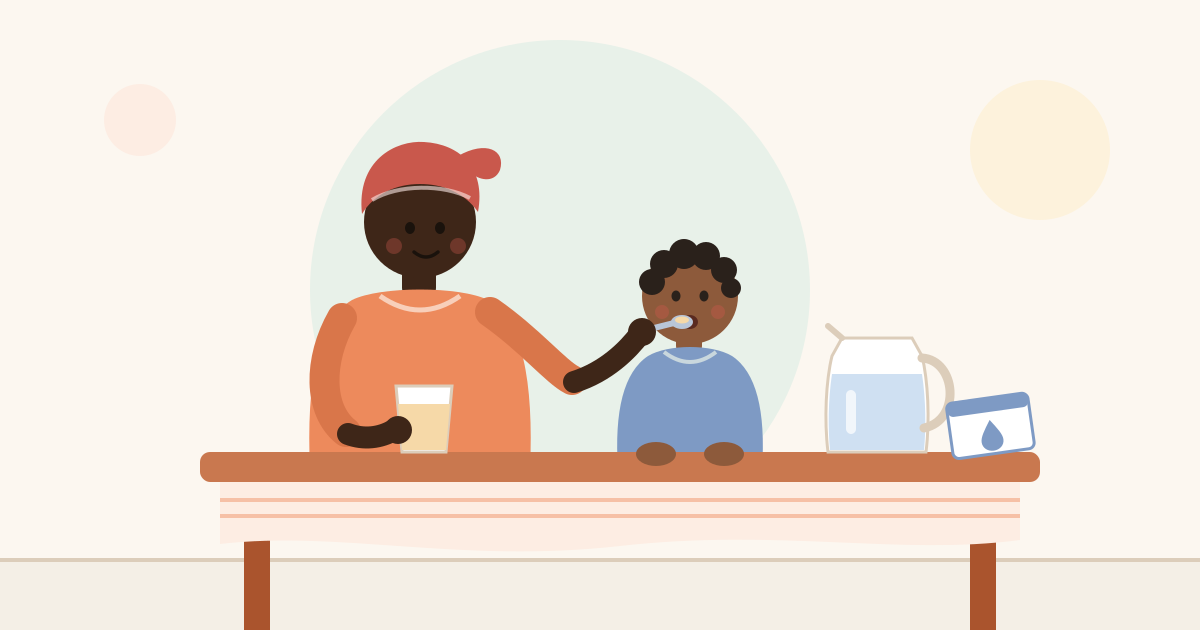
- Offer plenty of fluids and keep breastfeeding and feeding.
- If your child vomits the medicine, or isn't improving, go back to the clinic or casualty.
Preventing malaria in children
No preventive tablet is 100% effective, so avoiding mosquito bites is the most important step, especially for young children.
If you live in or visit a malaria area
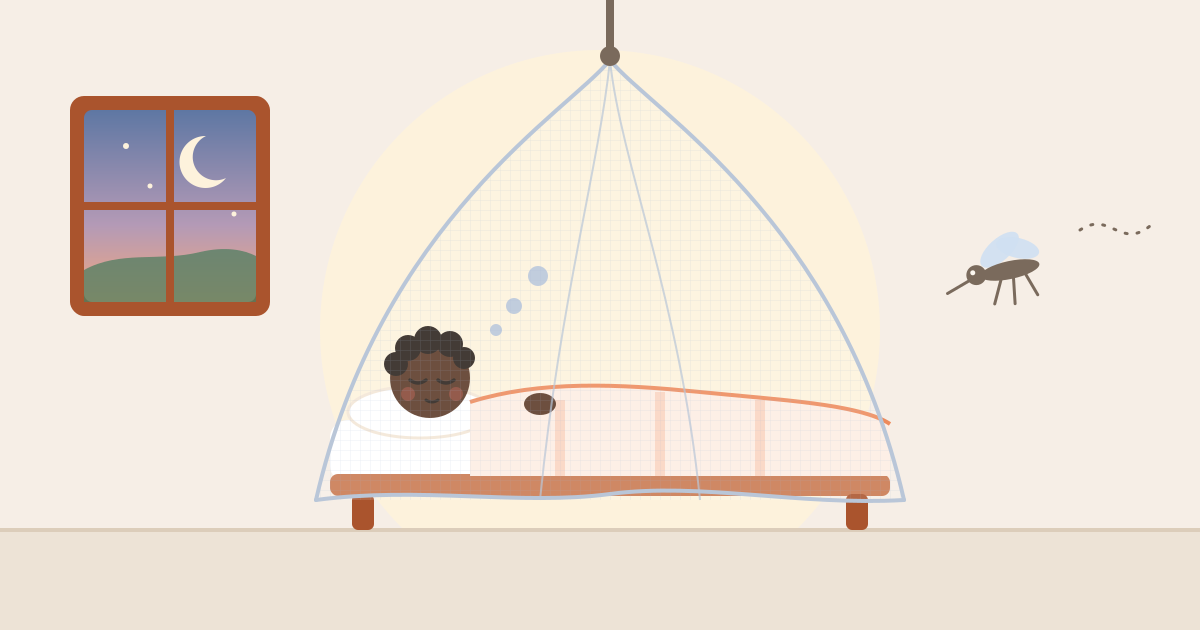
- Insecticide-treated bed nets: the most effective nets are treated with insecticide. Tuck them in under the mattress and don't use a damaged net. Cover cots and prams with mosquito netting.
- From dusk to dawn, keep children indoors where possible, in long sleeves, long trousers and socks.
- Repellents: DEET-based repellents work best. Use them exactly as the label says, sparingly, on exposed skin only — not on the face, lips or eyelids. Don't use DEET on babies under 3 months.
- Screens on windows and doors, insecticide spray in bedrooms at dusk (with windows closed), mosquito coils or mats, and fans or air-conditioning all help.
- Let the provincial malaria team spray your home if they come — indoor spraying, with bed nets, is one of the two main ways of controlling malaria mosquitoes.
Before travelling with children
- Get advice well before you go — from your doctor, a travel clinic or your local clinic — on whether your children need preventive medicine, which one suits their age and weight, and any vaccines.
- Since January 2024, the public sector can give doxycycline for malaria prevention to people aged 8 and older travelling to moderate- or high-risk areas. It isn't suitable for younger children, so ask about the options for them.
- Think about timing: the risk in southern Africa is highest from September to May. Babies and young children are the most vulnerable to severe malaria, so ask whether a trip to a high-risk area is really necessary.
- For several weeks after you get back, treat any fever as possible malaria and get a test the same day.
What to tell the nurse or doctor
Where your child has been and when, when the fever started, whether they've had fits, vomiting or diarrhoea, how they're eating and drinking, and any medicine they've taken (including malaria prevention). Bring the Road to Health Book. For other warning signs, see danger signs: when to take your child to hospital.
Sources
- Malaria Frequently Asked Questions (January 2024) — NICD
- Malaria — Diseases A–Z — NICD
- Notifiable Medical Conditions case definitions flipchart: Malaria — NICD
- Malaria — fact sheet — WHO
- Integrated Management of Childhood Illness — Chart booklet (March 2014) — WHO (IMCI)
- Know who you can call in an emergency — Western Cape Government
This article is general information, written by the Iasora team from the sources above. It does not replace a consultation or the judgement of a health worker who sees your child. If in doubt, go to your nearest clinic.