 Iasora
Lost your child's Road to Health booklet? What to do, and how to keep a digital copy
In short: the Road to Health booklet (RTHB, the "Road to Health Book" or "clinic card") is your child's health record from birth to five: vaccines, growth chart, birth details. The booklet itself says it is free for every baby and must be replaced for free if lost or damaged — go back to your clinic. Photograph every page now, keep the photos private and backed up, and keep taking the paper booklet to every visit. A digital copy complements it; it doesn't replace it.
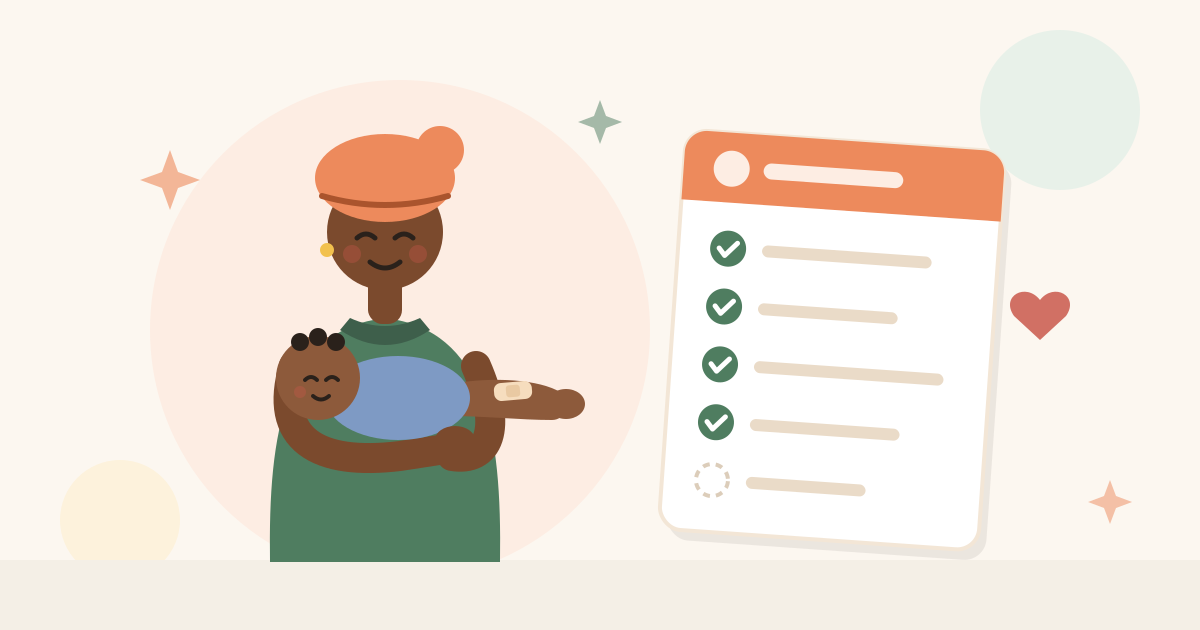
Lost the booklet? Don't skip the next vaccine.
- Go to the clinic on the due date anyway, and tell them straight away that the booklet is lost.
- Take whatever you have: old photos of the booklet, the birth certificate, the name of the clinic or hospital where your child was born and vaccinated.
- If your child is sick — high fever, not feeding, fast or difficult breathing, a fit — don't wait for paperwork: go to the clinic or casualty now.
What the Road to Health booklet is for
Every baby in South Africa should get a Road to Health booklet at birth, in public and private care. If a baby is born at home, the first health worker who sees them hands it over. The Department of Health's guide for health workers describes it as a record of the child's medical history, health, growth and development, and asks nurses to fill in the relevant sections at every clinic visit.
That's why the cover says to bring it to every clinic, doctor or hospital visit. Inside, among other things:
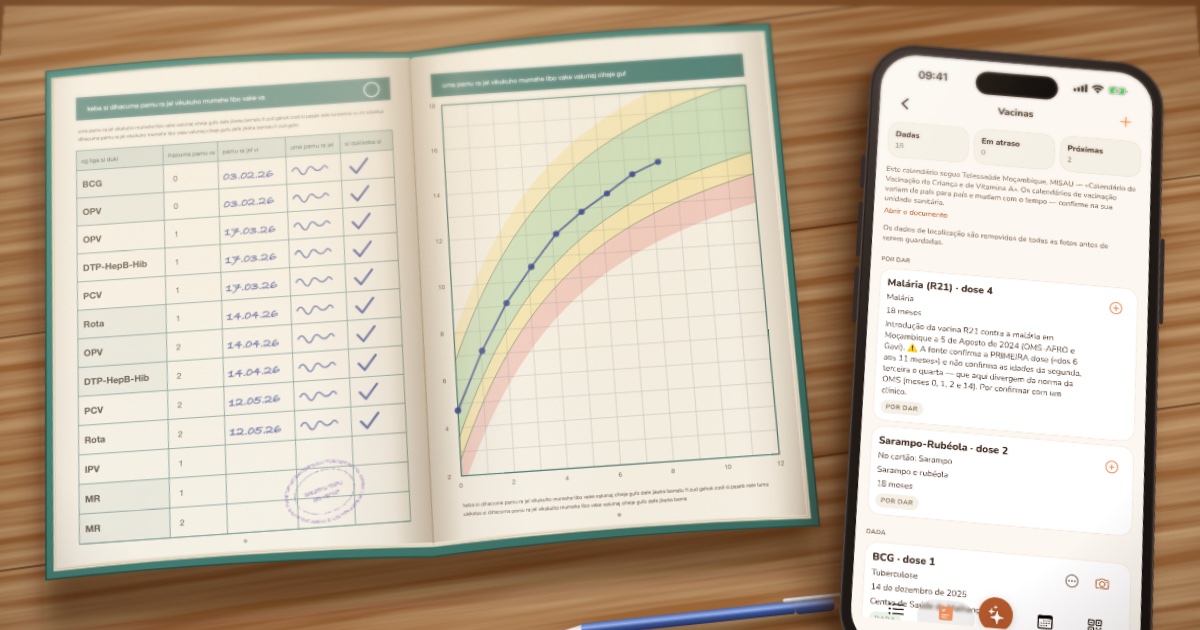
- Immunisations — each dose with the date, the site and the batch number. This is how the nurse knows which vaccine is next (see the South Africa vaccination schedule).
- Growth charts — weight, length and head size plotted from birth to five years. A curve that drops or flattens is something the nurse acts on (more in baby weight and height by age).
- Birth details — birth weight, gestational age, APGAR scores, and the mother's HIV exposure fields: prenatal ARVs, infant prophylaxis, feeding.
- Vitamin A and deworming doses, development milestones and the danger signs on the back cover.
The World Health Organization recommends home-held records like this one because they complement the clinic's own files: the family carries the child's story from clinic to clinic.
How Road to Health booklets get lost
It's rarely carelessness. It's life:
- Rain and damp. One leaking roof and the pen ink runs.
- Moving house, or moving between provinces.
- The crèche or daycare that asked for it and never gave it back.
- Two homes. Separated parents, a granny who does weekdays — and the booklet is always in the bag of whoever isn't at the clinic that day.
- Toddlers, who chew, tear and wet anything they can reach.
Lost Road to Health booklet: what to do
- Go back to your clinic — ideally the one where your child was vaccinated. The booklet itself says it must be replaced for free if lost or damaged.
- Ask what they can recover. Clinics keep their own records, but what they hold and how much they can copy into a new booklet varies. Ask your clinic; don't assume.
- Take what you have: photos of the old booklet, the birth certificate, your ID, the hospital where your child was born.
- Don't let the next vaccine slip while you sort it out. The nurse decides with whatever information there is.
How to make a digital Road to Health booklet yourself
The best time to photograph the booklet is today, while you still have it.
- Photograph every page, including the cover, the birth page and the growth charts. One page per photo.
- Good daylight, no flash. Near a window. Flash leaves a white glare right over the dates.
- Hold the phone flat above the page, with the whole page in the frame. Zoom in on the screen and check you can read the dates and batch numbers before you turn the page.
- Do it again after every visit — the booklet changes with every vaccine and weigh-in.
- Back the photos up somewhere off the phone. If the phone is stolen, the photos go with it.
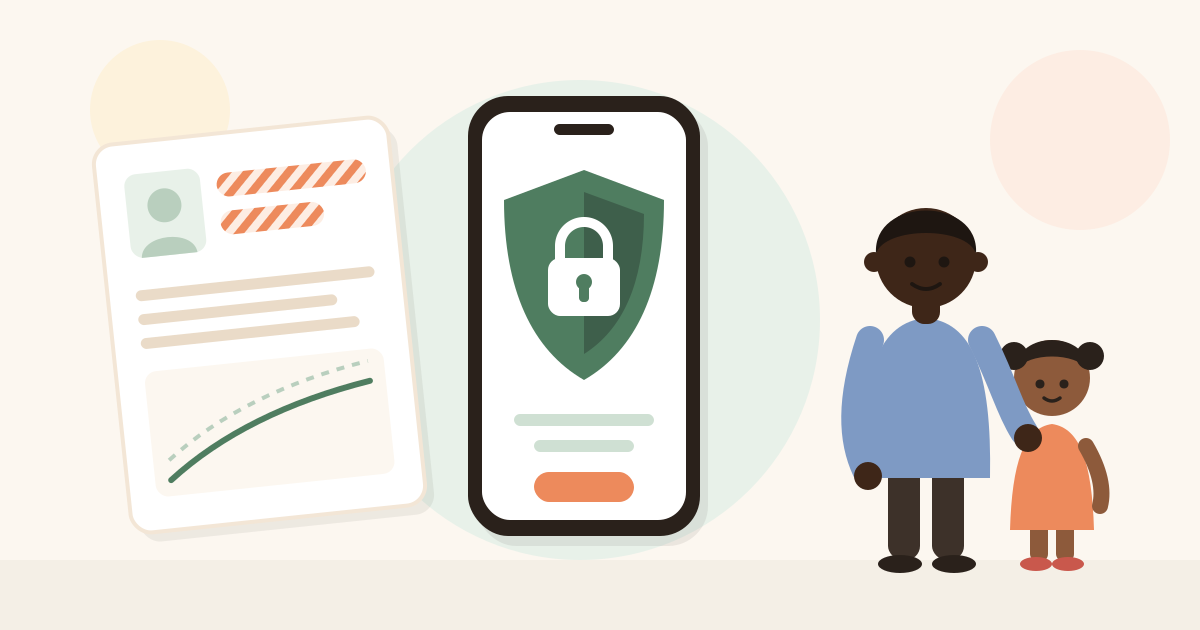
Don't post the booklet anywhere. Not on social media, not in the family WhatsApp group. It has your child's full name, date of birth, the mother's details, the clinic — and the HIV exposure and PMTCT fields. Once a photo is sent, you can't take it back. If someone really needs to see one vaccine, crop the photo down to that line.
The paper booklet stays the official record
A photo on your phone is not a replacement. The nurse writes, signs and stamps in the paper booklet, and that's the record the clinic will ask to see. Keep taking it to every visit. The digital copy is for when the paper is lost, wet or at the other parent's house — so your child's history isn't lost with it.
A digital Road to Health booklet in Iasora
Iasora is an app for keeping your child's health record, built with this booklet in mind. You can photograph the booklet's pages into your child's photos and documents vault — location data is removed from the photos. You record the vaccines once, looking at the booklet; the app doesn't read or transcribe it for you. From then on it follows the South African schedule and shows which doses are done, due now or overdue. Each vaccine shows its own name with the name printed in your booklet underneath: "Hexavalent", and below it "DTaP-IPV-Hib-HBV".
The birth section asks what the booklet asks — PMTCT, vitamin K, eye prophylaxis, BCG and OPV with batch numbers. Growth is plotted on the WHO centile curves. Two guardians can share the same record, so it's no longer stuck in one bag. And to show a clinician, you create a code that expires by itself and shows only the sections you tick. It's free to start, for one child. On what happens to the data, see your child's health data and AI privacy.
And at the next vaccine, take the paper booklet anyway.
Sources
- Road to Health book (2018 edition, Side-by-Side) — National Department of Health, South Africa (copy hosted by MSF South Africa)
- Healthcare workers' guide to the Road to Health book, 2020 edition — National Department of Health, South Africa
- WHO recommendations on home-based records for maternal, newborn and child health — WHO
This article is general information, written by the Iasora team from the sources above. It does not replace a consultation or the judgement of a health worker who sees your child. If in doubt, go to your nearest clinic.